Reviewed · FUNCHAL
Amazing experience with Bees, honey and Pollen in Madeira Island
A beekeeping experience on Madeira is interesting for one simple reason: you do not just look at bees, you get close enough to understand how a hive works, calmly and safely. I like that the hosts build the visit around real hive structure, then you move from explanation to hands-on time with frames and honey.
Two other things I really like are the chance to learn about the queen and different bees and the food side of the experience, including honey and fresh pollen tasting. One consideration is that the tour depends on good weather, so plan to stay flexible if conditions are rough.
The guides I saw named in past experiences are Marcia and Helder, and the vibe is very focused on safety, patient teaching, and warm hospitality. It is also a private activity, so your group does the full 4 hours together.
Key highlights you will actually care about
- Santo António da Serra hive access, not a quick photo stop
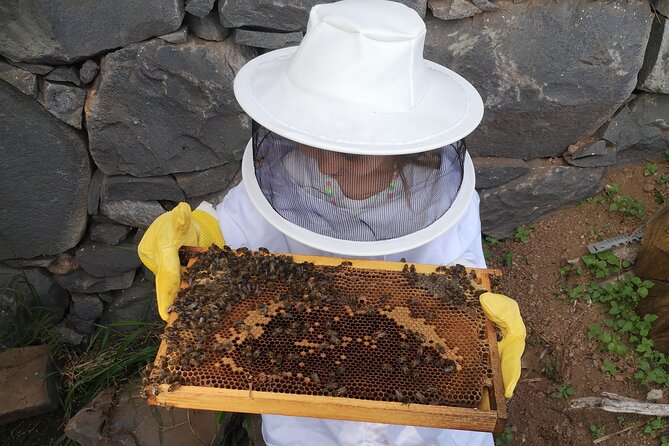
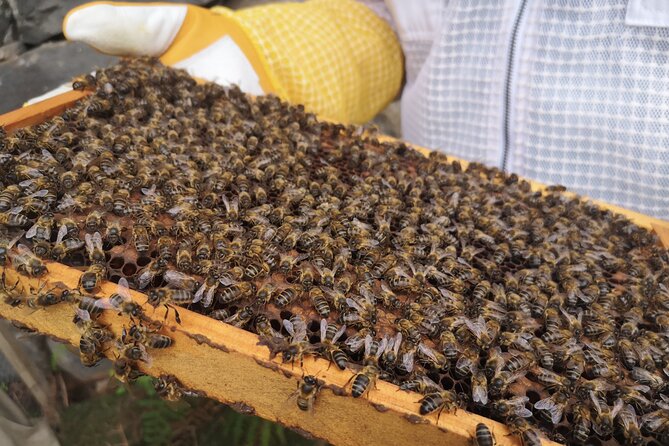
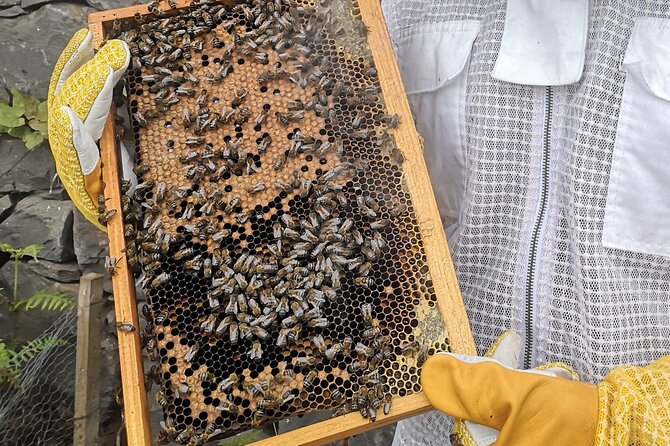
- Hands-on time picking up honey frames and observing bees up close, safely
- A guided hive walkthrough that covers structure, functioning, and bee roles
- Try to spot the queen bee, plus other types of bees
- Tasting at the end with various honeys, fresh pollen, cheeses, and regional cider
- Private group experience, so questions do not get lost in a crowd
First steps in Santo António da Serra, and why the hive talk matters
You start in Santo António da Serra, and the activity runs about 4 hours, ending back where it begins. Even before you get to the hives, you get a brief presentation that sets the tone. The goal is not lecture for its own sake. It is to help you understand what you are about to see.
You will be walked through the structure and functioning of a hive and also why bees matter for the wider ecosystem. That is the difference between watching insects and actually reading a living system. Once you understand what each part is doing, the behavior you see later makes more sense, and you will spend less time guessing.
The hosts keep the pace friendly and the explanations practical. In experiences like this, safety and clarity go together. Marcia and Helder are specifically mentioned for making sure you are safe while still letting you get hands-on. You are meant to feel peaceful, not rushed.
Other Madeira days worth keeping in a tab:
- From Funchal: Ecological Catamaran Dolphin Whale Watching
★ 4.5 · 5,771 reviews - Madeira: Skywalk, Porto Moniz, Seixal, and Fanal 4WD Tour
★ 4.9 · 5,732 reviews - Funchal: Dolphin and Whale Watching Catamaran Cruise
★ 4.5 · 5,697 reviews
Welcoming chat, hive basics, and the roles inside the colony
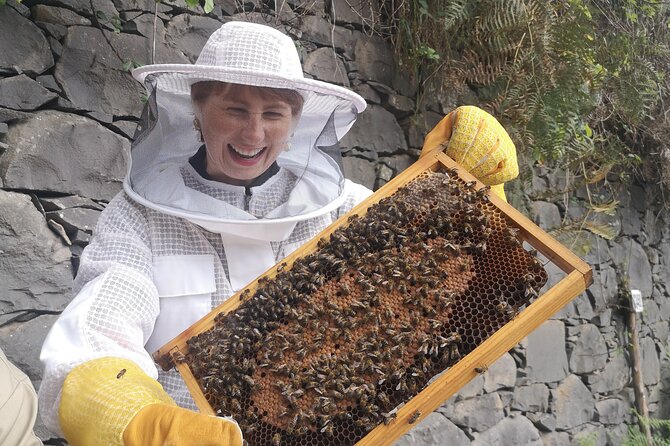
After the welcome, the structure lesson kicks in. You are shown how a hive is organized, and you get the essential overview of how it functions. This part matters because it prepares you for the sensory reality of a hive visit: movement, sound, and lots of activity.
One thing you should look for is how the guide connects the hive to real bee roles. They cover the different types of bees, and the session includes an effort to show the queen bee. Even when spotting the queen is not guaranteed, the point is that you learn what to look for and how the hive behavior changes when you understand who is who.
You may also hear about the idea of watching the birth of bees, which is mentioned as part of the experience. In a good guided hive visit, the adults and the next generation are connected in your mind, not treated like separate topics.
Visiting the hives: organization, up-close observation, and safe contact
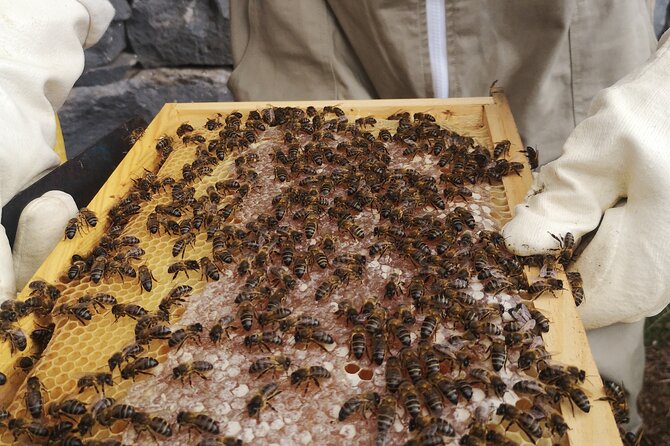
Then you proceed to the hives. This is where the experience shifts from explanation to real-world interaction. The guide describes and shows how the hive is organized, so you can match what you learned to what you are seeing right now.
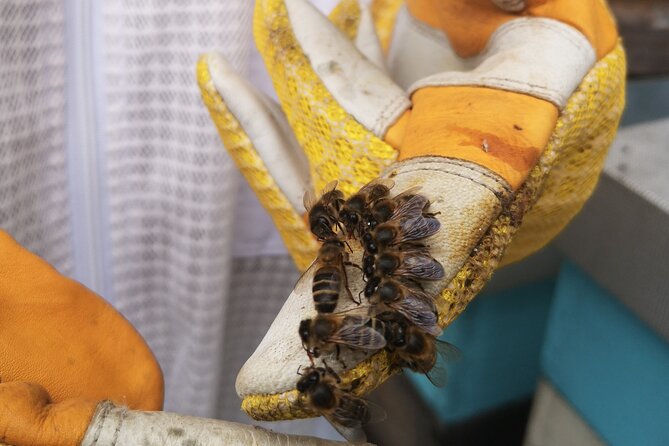
The hands-on part is a standout. You can touch honey and bees in a safe and peaceful way, with the guide leading you through what is happening. The experience also includes time to pick up the honey frames, which is a big deal because it forces you to pay attention to details you cannot see from a distance.
Up close, you also get a better feel for how calm the interaction can be when someone knows what they are doing. Past participants highlight how Marcia and Helder handle the visit with hospitality and attention to safety, so you can be in the action without panicking. That is the kind of hosting that turns a hobby topic into a satisfying activity.
You should expect active hive behavior. The colony is not a museum display. The guide’s job is to help you observe that behavior without interfering with the process.
Trying to spot the queen bee, and what you learn if you do not
The experience includes a chance to see the queen bee. You are not just told that queens exist, you are taught enough to look for the right signs and understand the why behind the colony behavior.
If you do spot the queen, it can feel like the moment everything clicks. If you do not spot her right away, you still benefit because you are learning how the hive runs. The goal is to leave with a model of the colony in your head, not just one great photo.
I like this approach because it teaches you to observe systematically. It also makes the queen moment less about luck and more about attention.
Same island, a completely different day out:
- Funchal: Enchanted Terraces, Porto do Moniz & Fanal 4WD Tour
★ 4.8 · 4,930 reviews - From Funchal: Best of Madeira’s West Tour
★ 4.7 · 3,463 reviews - Madeira: Best of the East Tour from Funchal
★ 4.7 · 3,364 reviews - Funchal: Old Town Walking Tour
★ 4.7 · 3,233 reviews
The honey frames moment: what it feels like and what to watch for
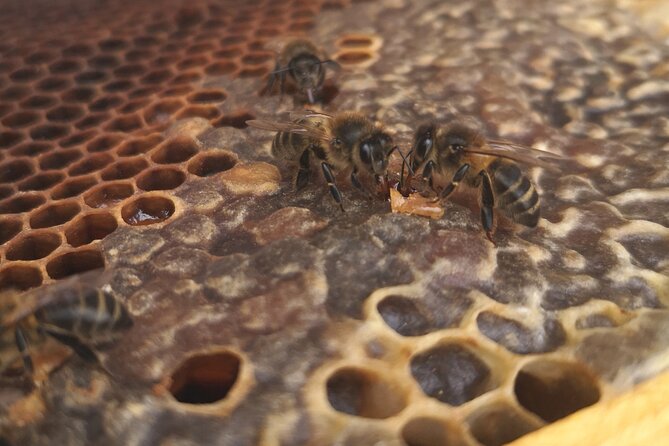
Picking up honey frames changes how you think about the product. Honey is not just something in a jar. It is stored energy, managed by the colony. When you handle frames during the visit, it turns the tasting later into something you understand on a deeper level.
While you are doing this, the guide describes what is happening and what you should watch. That is your chance to see how the hive supports honey storage, and how that storage is part of the larger cycle of bee work.
Because the experience includes safe, guided contact, you do not need to bring special knowledge. Your job is to stay present, ask questions, and let the guide translate what you are seeing.
Honey, fresh pollen, cheeses, and regional cider tasting
After the hive time, you shift to tasting. This is not an afterthought. It is where the whole session becomes a sensory experience.
You get tasting of various honeys, fresh pollen, cheeses, and regional cider. That lineup makes sense because honey and pollen represent two different sides of bee life. Honey is the stored, processed product you know from the market. Pollen connects more directly to nutrition and the biology of the colony.
The cheeses and regional cider help the flavors land on your palate. In Madeira, that pairing style feels local, and it turns the visit into something you remember beyond the hive itself. One of the past experience titles also mentions poncha as part of the overall pairing vibe, which fits with Madeira’s love of local drinks. Even if you come in expecting honey only, the tasting is built to be more varied.
Practical tip for the tasting part: take your time. The different honeys and pollen tastes can be subtle. If you rush, you miss the differences the guide is trying to show you.
Price and value: what $138.58 gets you in real terms
The price is $138.58 per person for an experience that runs about 4 hours. On paper, it is not the cheapest activity. In practice, it can feel like good value because the time is not just standing around.
You get:
- a structured intro about hive organization and why bees matter
- guided visits to the hives with safe, hands-on interaction
- an effort to show the queen bee and explain bee types
- tasting that goes beyond one item, with honey, fresh pollen, cheeses, and regional cider
Also, the experience is a private tour, meaning your group is not competing for attention. If you are the kind of person who asks questions and likes to learn by doing, private format usually pays off.
One more value signal: it is booked about 53 days in advance on average. That suggests people see it as a highlight, not a filler stop.
Group size, timing, and how to plan your day around it
This is scheduled on Mondays from 3:00 PM to 5:30 PM. Since the tour is weather-dependent and can be adjusted or refunded if conditions are poor, I recommend building it into your schedule early enough that you have backup time.
Your start and end point is the same meeting location in Santo António da Serra. That helps if you want an easy plan for transit to and from the area.
It is also a mobile ticket experience, and you receive confirmation at the time of booking. Because it is private, only your group participates, which usually means fewer coordination headaches once you are there.
If you are traveling in a small group, this is a strong format. If you are solo, you may still enjoy it because private hosting tends to translate to better questions and a more personal experience, as long as you are comfortable being the only one in your group.
Who this fits best (and who might want a different plan)
This experience fits best if you want an authentic, hands-on Madeira activity. It is great for people who enjoy nature topics, practical learning, and tasting local products tied to a living ecosystem.
It can also work well for people who already know some beekeeping basics. Past participants who keep bees described the visit as friendly and genuinely engaging, not just a beginner show-and-tell. That is a good sign that the guide knowledge goes beyond a script.
The main consideration is the weather requirement. If you are the type who hates plan changes, you will want to keep your Monday afternoon flexible.
Should you book this bees and pollen experience in Madeira?
If you want more than a quick look, you should book it. The combination of safe hive access, a real explanation of how a hive functions, and tasting honey plus fresh pollen plus local pairings makes it a complete activity, not a one-note tour.
I would book it especially if you like learning by doing and you care about seeing how food connects back to living systems. If you can handle a weather-dependent schedule and you are available on Monday afternoon, it is one of the more memorable ways to experience Madeira beyond scenery.
FAQ
Where does the experience start?
The experience starts in Santo António da Serra, Portugal, and it ends back at the same meeting point.
How long is the tour?
It lasts about 4 hours.
What is included in the hive visit?
You get a brief presentation about hive structure and how a hive works, then you visit the hives where you learn how the hive is organized. You also get the chance to see different types of bees, try to spot the queen bee, and pick up honey frames to observe bees up close. The experience also mentions learning about the birth of bees.
Is this a private tour?
Yes. It is a private tour or activity, and only your group participates.
When does it run?
It runs on Mondays from 3:00 PM to 5:30 PM.
What is served during the tasting?
The tasting includes various honeys, fresh pollen, cheeses, and regional cider.
What is the cancellation policy?
You can cancel for a full refund up to 24 hours in advance. If the experience is canceled due to poor weather, you will be offered a different date or a full refund.
Just added around Madeira
- Madeira: Wine Safari Jeep Tour with Local Guide★ 3.9 · 6 reviews
- Funchal: Maderia Island Off Road Jeep Tour with Swim Stop★ 5.0 · 11 reviews
- West Tour Porto Moniz★ 4.6 · 26 reviews
- Tuk Tuk Monte Toboggan – Madeira Island★ 4.1 · 4 reviews
- Visiting local Vineyard With Wine Tasting & Lunch included★ 5.0 · 6 reviews
- Wine Tasting Experience in Boaventura, Madeira North Coast★ 4.5 · 28 reviews
- Full Day Open Roof 4×4 Unforgettable Northwest of Madeira★ 5.0 · 22 reviews
- Private Half-Day Tour of Wine Fields in Portugal★ 5.0 · 3 reviews