Reviewed · FUNCHAL
Madeira: Open Water Diver First Certification Course
This Madeira experience is interesting because it turns first-timers into an Open Water Diver through a mix of study, pool practice, and guided time in the sea. You also get the kind of setup that makes a big goal feel doable, a small group and constant instructor support.
I love the blend of e-learning plus hands-on pool work. I also like that core essentials are handled for you, including complete scuba gear and the certification you’ll use to dive with a buddy later.
One drawback to think about up front is the health and comfort limits. This isn’t for everyone, especially if you have claustrophobia, heart or respiratory issues, recent surgery, epilepsy, or if you’re pregnant.
Key Things That Make This Course Worth Your Time
- Small group training (max 4 people) means you get closer attention during skills checks.
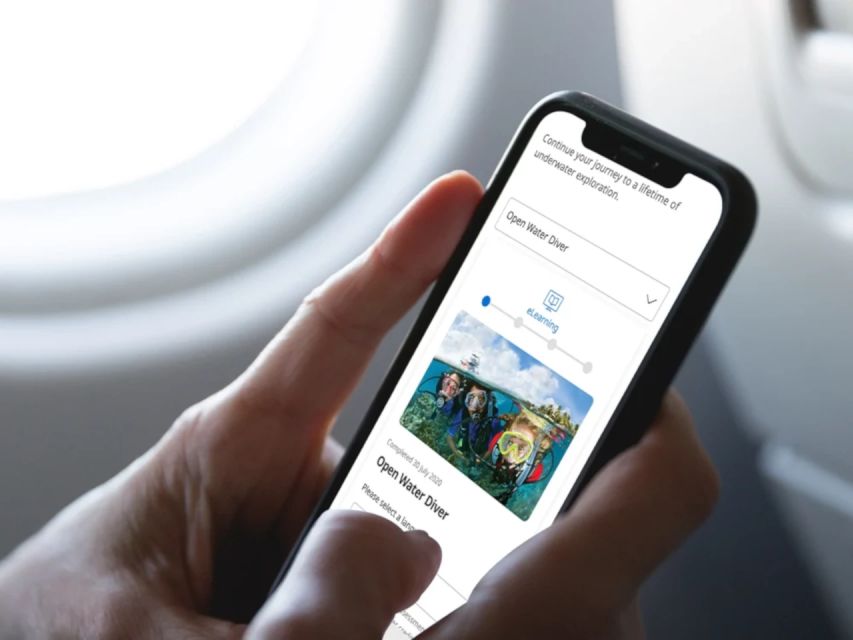
- E-learning included lets you study scuba principles and terminology at your own pace, with a 5 to 10 hour target.
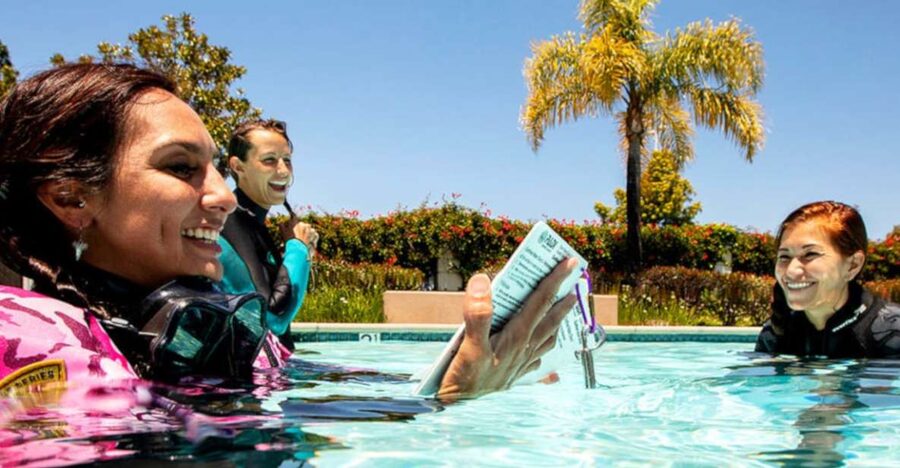
- Pool sessions first help you practice breathing control and basic skills until you feel steady.
- Four open water sea sessions build confidence with your instructor guiding every step.
- Shallow training focus keeps your first underwater experience within practical depth limits (around 12 m/40 ft, max 18 m/60 ft).
- Certification included gives you worldwide-recognized Open Water Diver status for buddy diving up to 18 m/60 ft.
Madeira, Portugal, and Your First Open Water Certification
Madeira is a smart place to learn scuba because it makes the goal feel real. You’re not just sitting in a classroom or staring at a screen. You’re in a coastal setting where the whole point is to take what you learn and apply it in the sea under supervision.
This course is designed for beginners. So instead of throwing you into the deep end, you start with theory and terminology, then you build comfort using scuba gear in a pool. Only when your basics are solid do you move into open water for a handful of structured sessions.
One more thing I appreciate about this kind of certification in Madeira is the practical rhythm. You study when it works for you, then you show up ready to practice. That matters when you are also trying to enjoy your trip, not just survive a bootcamp.
Other Madeira days worth keeping in a tab:
- From Funchal: Ecological Catamaran Dolphin Whale Watching
★ 4.5 · 5,771 reviews - Madeira: Skywalk, Porto Moniz, Seixal, and Fanal 4WD Tour
★ 4.9 · 5,732 reviews - Funchal: Dolphin and Whale Watching Catamaran Cruise
★ 4.5 · 5,697 reviews
Your Three Day Flow: Study, Pool Skills, Then Open Water Sessions
The core idea is simple: learn the concepts, practice the movements, then use them in the real environment. Over the three days, you’ll be guided by an instructor who stays with you as you progress from controlled water to the open sea.
Here’s the typical progression to expect:
- E-learning for scuba principles and terminology, with a total commitment of about 5 to 10 hours. You can do this offline or online on a computer or mobile device.
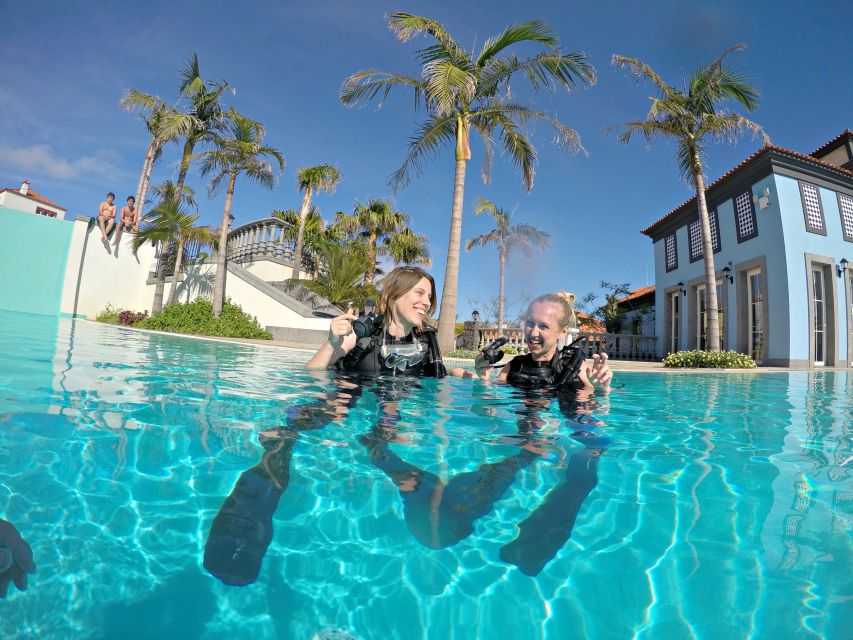
- Pool training sessions focused on learning scuba gear, breathing control, and basic skills. You’ll repeat the drills until they feel natural.
- Four open water sea sessions with your instructor supporting you step by step.
Because the course is short, you should treat it like a focused workshop. If you do the e-learning early, you’ll arrive calmer and quicker to progress in the pool. If you leave the study to the last minute, the practical portion can feel like it’s coming at you fast.
Pool Training in a Small Group: How Confidence Actually Gets Built
In a good beginner course, pool time is where the nervous system gets its job done. You learn how scuba feels, how it sounds, how your body should move, and how to stay calm when something changes.
This course keeps pool training front and center. You practice using your complete gear in a swimming pool until you are comfortable. You also do short, structured underwater drills, often called mini practice sessions, so you learn skills in bite-sized chunks rather than one big “sink or swim” moment.
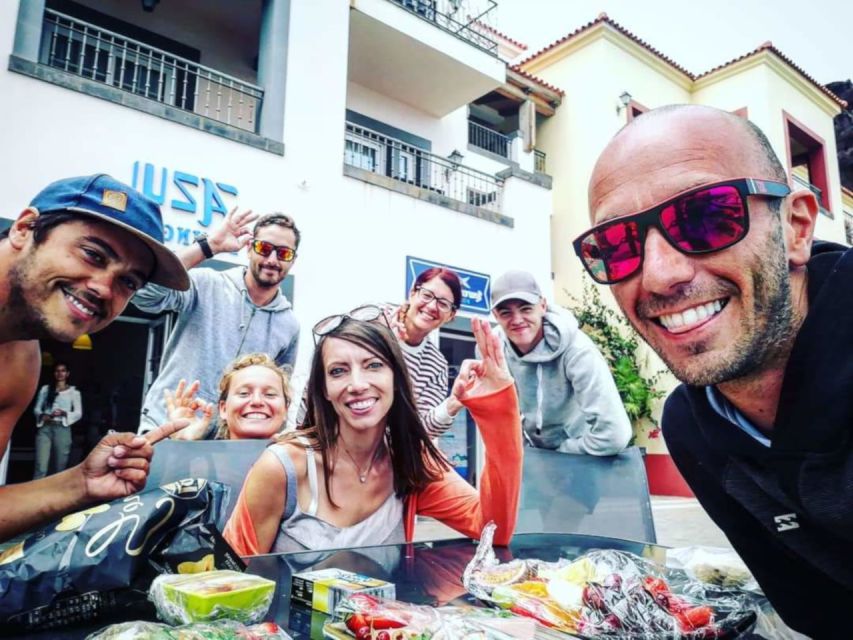
Since the group is limited to four participants, you’re more likely to get direct feedback and time for questions. And that is exactly what the reviews line up with. People praise the instructors for taking time, being empathetic, and answering questions without making you feel rushed.
What to remember as you go: your job in the pool is not to look graceful. Your job is to get relaxed enough that you can think clearly underwater. When that clicks, open water stops being scary and starts being exciting.
Four Sea Sessions and the Depth Limits You Should Know
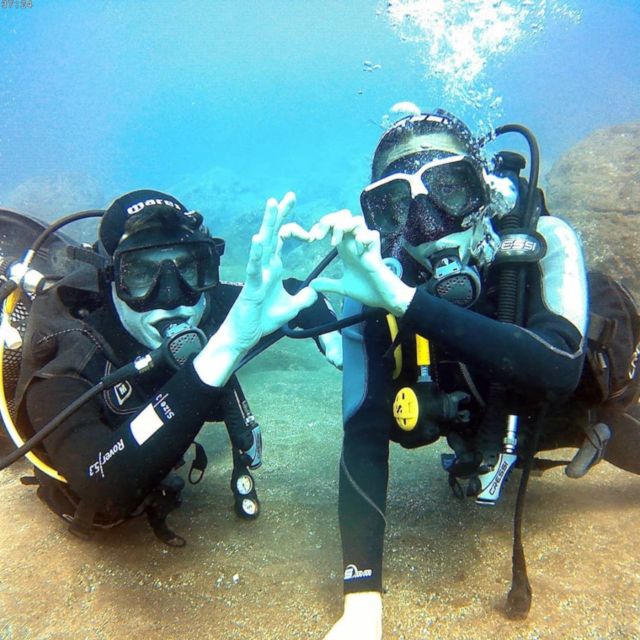
Once you’re ready, the training moves to the sea for four guided open water sessions. This is where you apply what you practiced in the pool, but you now deal with real-world variables like natural conditions and buoyancy in a larger space.
Depth is kept within a beginner-friendly range. You should expect shallow sessions, with training around 12 m/40 ft, and a maximum allowed depth of 18 m/60 ft. That depth cap is important because it shapes how the instructor plans the work and how you pace your learning.
You’ll also get instructor support during the sea sessions. The course format assumes you are new, so the guidance is not passive. You are not being dropped into the ocean to figure it out on your own.
A practical tip: go into the sea portion thinking like a student, not like a tourist. Slow down your breathing, keep your focus on the tasks your instructor assigns, and let buoyancy and control become your priorities. If you do that, the experience usually feels like progress, not pressure.
Same island, a completely different day out:
- Funchal: Enchanted Terraces, Porto do Moniz & Fanal 4WD Tour
★ 4.8 · 4,930 reviews - From Funchal: Best of Madeira’s West Tour
★ 4.7 · 3,463 reviews - Madeira: Best of the East Tour from Funchal
★ 4.7 · 3,364 reviews - Funchal: Old Town Walking Tour
★ 4.7 · 3,233 reviews
Gear, Insurance, and the Open Water Diver Certification You Take Home
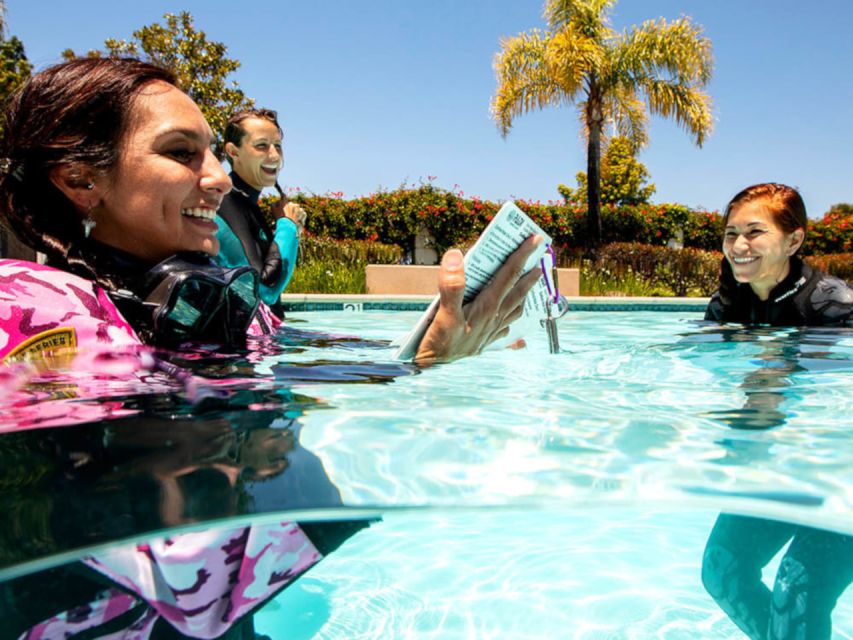
One of the best parts of this course is that you do not have to assemble scuba basics yourself. It includes complete scuba diving equipment, plus teaching materials and scuba insurance included with the course. That combination reduces the usual hassle of renting gear, chasing paperwork, or buying missing pieces right before you travel.
The big prize is certification. This course provides a worldwide-recognized Open Water Diver certification. In plain terms, it entitles you to participate in dives with a scuba buddy up to a maximum depth of 18 meters/60 feet around the world.
For many first-timers, that certification is more valuable than the specific trip itself. It turns Madeira into a starting point. Once you’re certified, you can keep going elsewhere without starting from zero again.
So, if you’re trying to decide between doing a “try it” experience and taking the real first certification course, this is the route that changes your options.
Price and Value: What the $495 Includes, and What You Still Need to Budget
At $495 per person for three days, the value comes from what’s baked in. You get theory lessons with a qualified instructor, pool training sessions, four open water sea sessions, complete scuba gear, teaching materials, and certification plus insurance.
The main thing not included is food and drinks. That sounds obvious, but it’s worth planning for. You’ll be on a tight schedule and likely spending time around water, so you’ll want easy meals between training blocks.
Also note that the course requires swimmers to be medically fit for scuba training and to meet minimum age requirements. If you’re eligible, the price starts looking more reasonable because you are not paying for a vague “maybe.” You’re paying for structured progression, with real supervision in both pool and sea.
If you’re on a tight budget, the best way to judge value is this: can you afford the extra cost of gear, instruction, and certification if you do not take this bundled approach? Here, the package covers the core learning components.
Instructor Support, Languages, and Why the Small Group Matters
A first certification lives or dies on communication. If you don’t understand something, you need it explained clearly, and you need time to ask.
This course is taught by an instructor who supports multiple languages, including English, French, Spanish, Portuguese, and Italian. That’s a big deal for comfort. You are more likely to grasp safety concepts and skill instructions when you can use your strongest language.
The small group size is also key. With only up to four participants, the instructor can adapt pacing, give targeted feedback, and notice when a student is struggling with a specific skill. That level of attention is exactly what the reviews highlight, competent and enthusiastic teaching, empathy, and time for questions.
If you learn best with conversation and real-time feedback, this format fits you well.
Who Should Take This Course, and Who Should Skip It
This experience is designed for beginners, but it is not universal. You must be able to swim and be medically fit for scuba training. The minimum age is 12 years old.
It is also not suitable for several conditions and situations:
- pregnant women
- people with mobility impairments
- people with claustrophobia
- people with heart problems
- people with respiratory issues
- people with epilepsy
- people with high blood pressure
- people with recent surgeries
- people with low level of fitness
- non-swimmers
If you’re on the fence, treat eligibility as part of the planning, not an afterthought. The sea portion and gear use require both physical readiness and comfort in enclosed and controlled equipment scenarios.
On the positive side, if you are able to swim, you’re in the right zone. The course is structured to build skills progressively, starting in the pool and then moving to open water once you’re ready.
What to Bring to Madeira for Your Scuba Gear Practice
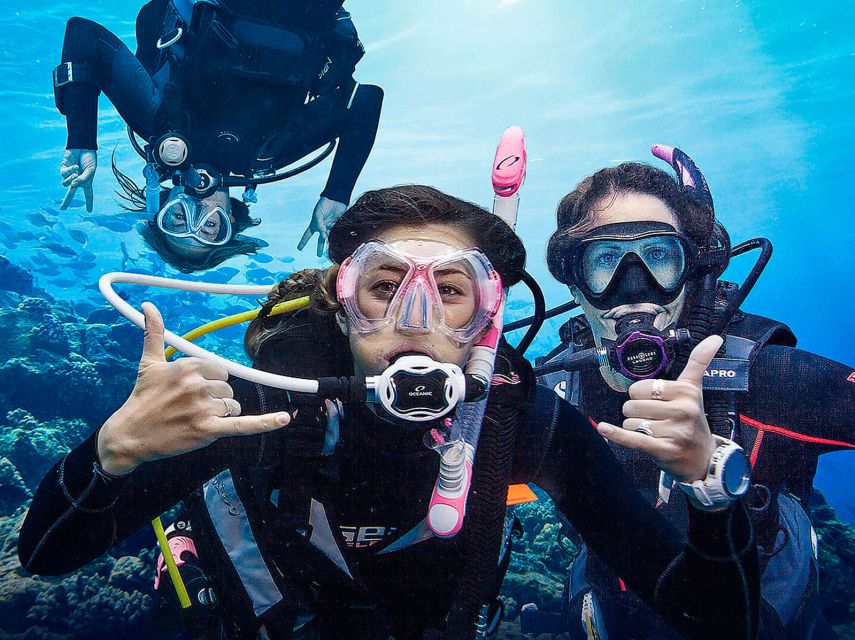
The essentials are light and simple. Bring swimwear.
You might also want to plan for the reality of training days. Expect you will be in and around the water, and you will need a calm routine for drying and changing between sessions. If you tend to get cold easily after water time, pack a comfortable layer for downtime.
Finally, do the e-learning before you arrive. It’s listed as 5 to 10 hours total time. If you knock it out early, you’ll walk into pool work understanding terminology and principles, which makes the practice feel smoother.
Booking Smart: When to Consider This Course (and When Not To)
Should you book? If you want a real Open Water Diver certification in three days, with a clear progression and small group support, this course is a strong choice. It’s also a good fit if you value structure: study first, then practice in the pool, then apply it in open water with instructor guidance.
I would think twice before booking if:
- you fall into one of the listed health or comfort categories
- you dislike learning through structured drills and prefer totally independent travel activities
- you are not ready to put in the e-learning time before the practical portion
If you want a trip that ends with a credential you can use worldwide, and you’re okay with the focused nature of the schedule, you’ll likely feel happy about your choice.
FAQ
FAQ
How long is the Madeira Open Water Diver first certification course?
The course lasts three days.
What’s included in the price?
It includes theory lessons with a qualified instructor, swimming pool training sessions, four open water sea sessions, complete scuba equipment, teaching materials, scuba insurance, and a worldwide-recognized Open Water Diver certification.
What is not included?
Food and drinks are not included.
Does the course include e-learning?
Yes. E-learning is included, with an estimated time commitment of 5 to 10 hours. You can study offline or online on a computer or mobile device and connect with your instructor with questions.
What depth should I expect during training?
You can expect shallow sessions around 12 m/40 ft, with a maximum allowed depth of 18 m/60 ft.
What are the age and swimming requirements?
The minimum age is 12 years. You must be able to swim and be medically fit for scuba training.
What languages are available for instruction?
Instruction is available in English, French, Spanish, Portuguese, and Italian.
What equipment should I bring?
Bring swimwear. The course provides the complete scuba equipment.
Just added around Madeira
- East Tour – 4×4 – Small Group★ 5.0 · 20 reviews
- A great tuk-tuk adventure Tour at Cabo Girão – Skywalk★ 5.0 · 8 reviews
- Full Day Tour in 4×4 Jeep to Porto Moniz and Fanal★ 5.0 · 6 reviews
- Jeep Adventure to Volcanic Pools & UNESCO Forest Treasures★ 5.0 · 19 reviews
- A Self-Guided Walk Through Funchal’s Historic Heart With a Local★ 5.0 · 7 reviews
- 3 Hour Private Trike Tours of Madeira Island★ 5.0 · 60 reviews
- Toboggan Ride & Madeira Wine Tasting Tour★ 2.8 · 4 reviews
- Surf lesson in Madeira★ 4.8 · 55 reviews